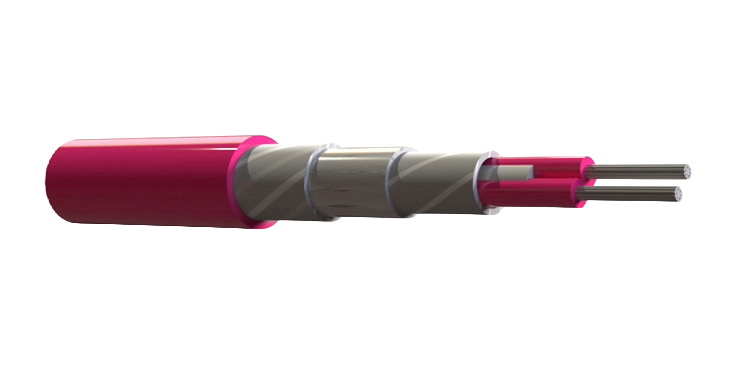
Tapes, or binders, and fillers are applied to improve flexibility or roundness of the cable, to protect the insulation or sheath, or to ease production.
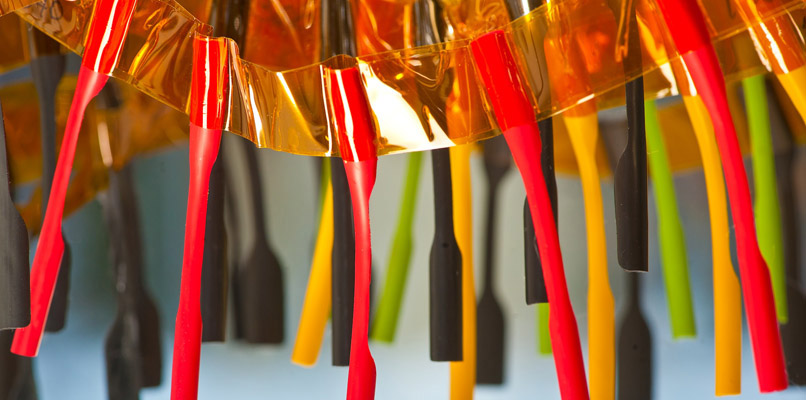
Tapes or binders are typically made of nonwoven polyester or, when higher temperature is required, of PTFE. Several other options are also available to meet the specific requirements of:
electrical screening at high temperatures
reduced electrical noise and interference
improved fire performance
providing magnetic shielding
high temperatures and high radiation
reducing water permeation
improving both the overall flexibility and flex-life of the cable
preventing wear and tear to the cores within the cable as it is flexed
enabling the sheath to be removed with relative ease
Fillers There are two primary types of filler used by Habia; HT (High Temperature) and LT (Low Temperature).
HT fillers can withstand the full temperature range of Habia’s other materials. They are also soft, allowing for deformation within the cable that is necessary for dynamic use.
LT fillers are used in the majority of cables and applications in the nominal to moderate temperature range.
In addition to these common types, there are a number of other variations that can offer specific performance advantages, such as:
improved flexibility and better temperature range
better electrical stability
reduced water permeation
At Habia, we specialise in designing and manufacturing custom cables and harnesses for demanding applications. With access to a wide range of materials, our experienced designers can advise on the ideal tapes, binders and fillers for your specific application.
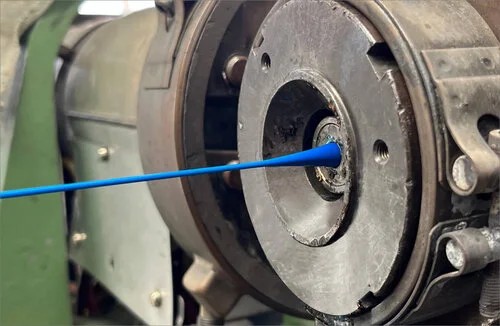
Insulation and sheath are the plastic components of a cable that protect the conductor. The insulation isolates the flow of electricity, and the sheath wraps around the outside of the cable to protect the conductors inside and enable electricity transmission.
After over 80 years in the business, we’re experts in finding the perfect combination of cable materials and components to create the best solution for you. Explore the key components and common material choices below.