Knowledge Hub
Welcome to our knowledge hub. Learn about the different kinds of cables, materials, techniques and more.
-
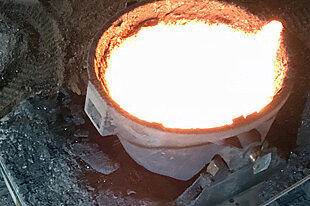 Cases & StoriesTough day at work? Try being a ladle car at Tata Steel.A ladle car or slag car is a wagon, which is used in steel foundries to collect the molten iron spatters. In Tata Steel's foundry in Jamshedpur, India, the ladle cars move 300 meters front and back from one location to another to process the steel.Read more
 -
 Cases & StoriesAround the world in 80 days on an electric motorcycleElectric mobility. You might think about a certain electric car from California but this is turning out to be a global movement. During 2016 a group of 23 students from Eindhoven University of Technology in The Netherlands completed a trip around the world on an electric motorcycle that they have designed and built from the ground up.Read more
 -
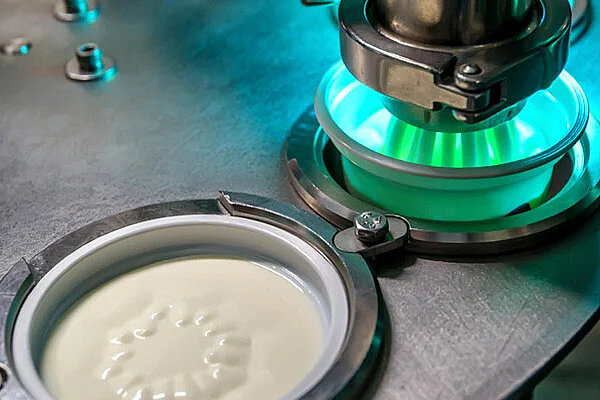 Cases & StoriesEssential yogurt ingredientsAmpack is a German packaging technology company and not a typical Habia customer. Standard cables on stock from any supplier will work just fine in the machine building industry. Habia is far from standard so we were pleasantly surprised to face this particular challenge.Read more
 -
 Cases & StoriesThe coaxial wonder cable that connects the worldMobile devices. We use them all the time and get really annoyed if we lose our connection for a couple of minutes. We can't believe that it doesn't work. Our children are crying and we have no consolation to offer. This is equally true in a big city or out and about all over the world. What kind of crazy magic is this?Read more
 -
 Cases & StoriesWhen you swim in petrol, swimming is the least of your problemsActemium is a company specialising in building robots that perform really difficult and demanding work. In this case, the robot's task is to inspect large fuel tanks. How hard can that be? Well, if the tank is full of petrol it is actually pretty hard. One spark is enough to blow the whole thing up and the cables need to be highly chemical resistant, quite flexible and most importantly, completely anti-static.Read more
 -
 Cases & Stories R&DDiving in the shallow end: a tailor-made solution for renewable ocean powerThe ocean is the world’s largest natural power generator. Tidal turbines, used to harness energy created from tides, is just one of the many sustainable technologies used to tap into earth’s immense resources.Read more
 -
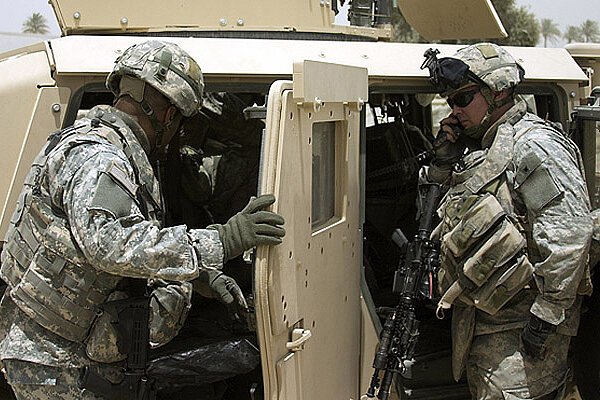 Cases & StoriesThere's no such thing as a one-man tankIf you’re operating a 60-ton tank, reliable communication is vital. Troops on the ground must be able to coordinate manoeuvres, share intelligence and maintain situational awareness at all times.Read more
 -
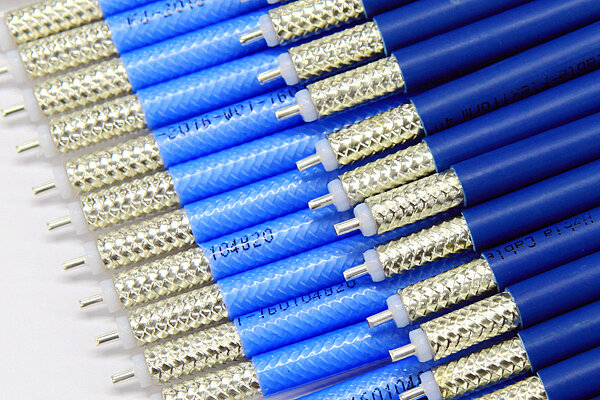 Cases & StoriesHabia and PTFE go back a long wayHabia was one of the first companies in Europe to make use of Polytetrafluoroethylene - PTFE, and also one of the first to manufacture PTFE wires and cables as early as 1957, only four years after DuPont introduced the material on the market.Read more
 -
 Costum Cable Design R&DCable design and creation: four steps to solutions beyond ordinaryDid you know that the sooner a cable designer gets involved in your application development, the greater your chances of walking away with a better and more cost-effective solution?Read more
 -
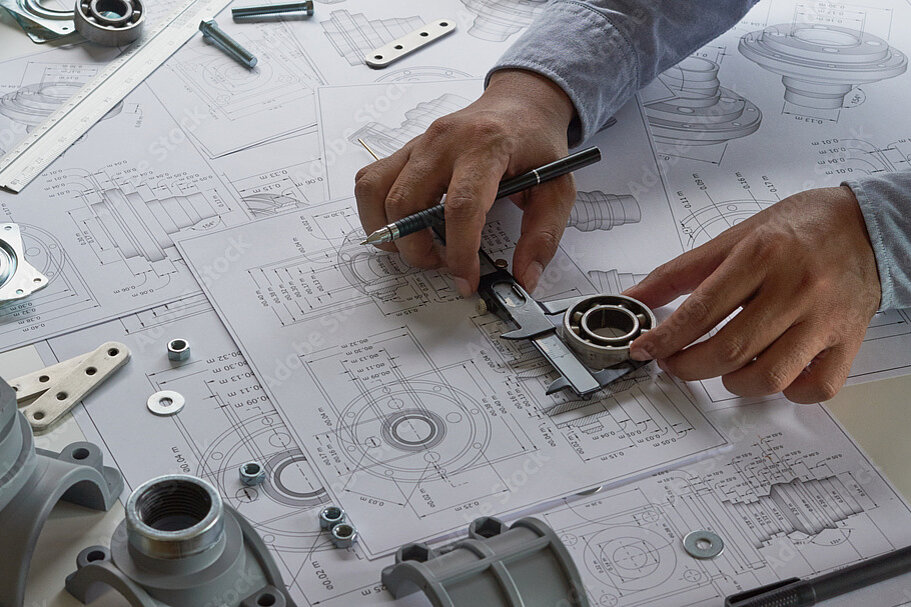 Costum Cable Design R&DCustom Cable Design with years of experienceWhen it comes to designing high-performance cables or cable harnesses, expert knowledge and experience across a wide range of applications and materials are crucial. This is particularly true when dealing with the creation of custom solutions for use in the most demanding environmentRead more
 -
 ManufacturingOur Manufacturing Competence- for your special needsWe are a world leader in the production and processing of high-quality PTFE tapes (such as our HEI-Tape®). From in-house wire drawing, electro-plating, and stranding to silicone compounding, our modern, in-house developed and designed machinery allows us to implement all common, but also very special and patented manufacturing processes.Read more
 -
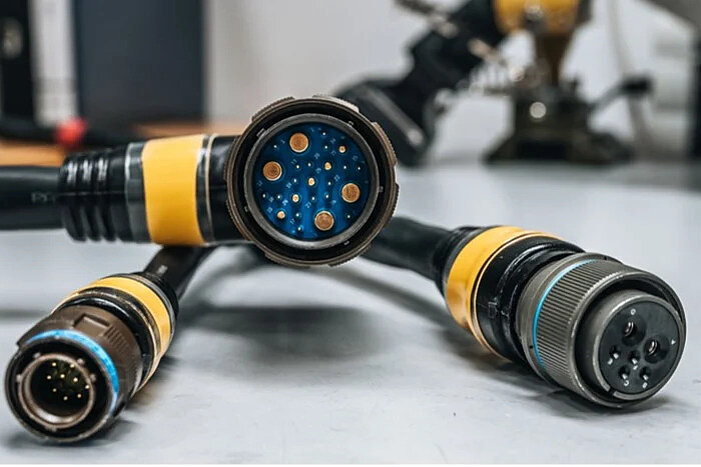 Manufacturing Material ProductsChoosing the right conductorA conductor is the core component that allows the flow of electrical current in one or more directions. A metal wire is a common electrical conductor.Read more
 -
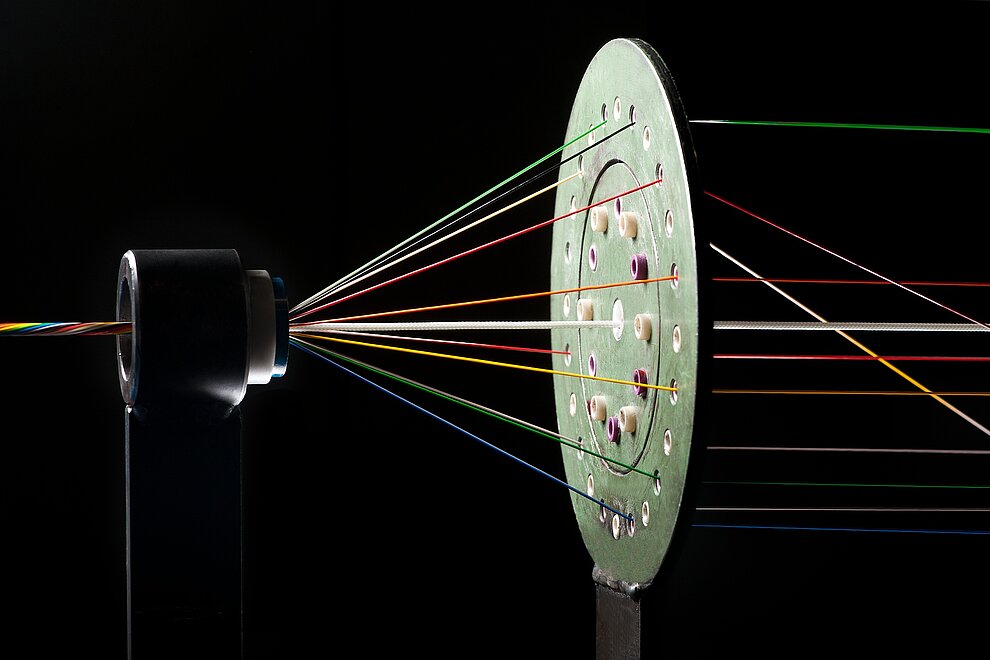 Manufacturing R&DThe art of cablingCabling, or twisting as it is also called, is the process of bringing all the elements together to make a round and flexible cable.Read more
 -
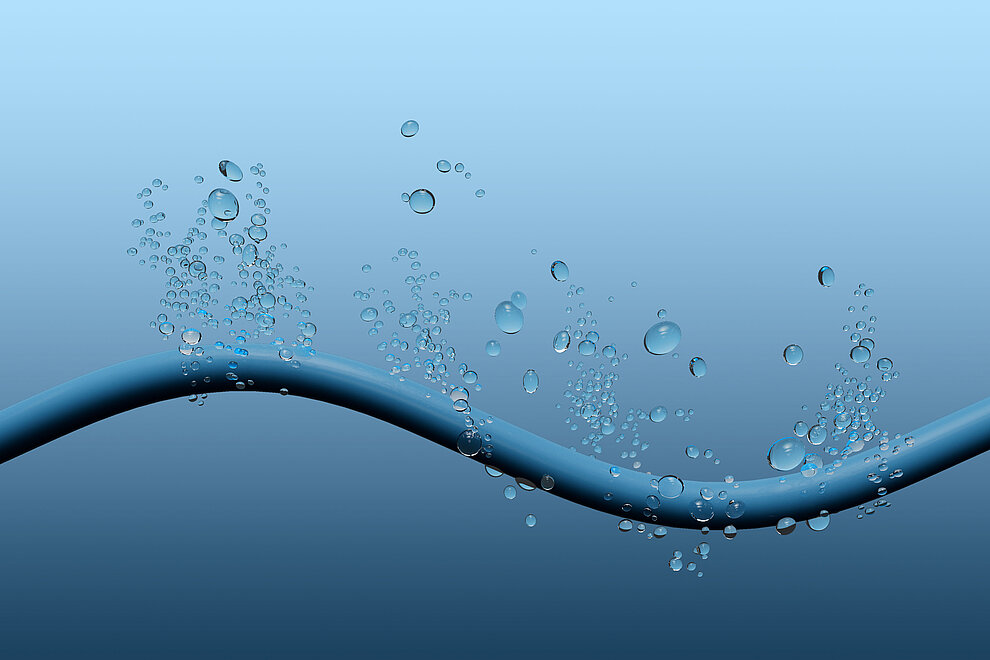 Manufacturing R&DWater-blocked cablesWater-blocked cables and harnesses prevent water entering and travelling longitudinally along a cable – and damaging whatever equipment you have at the end of it. At Habia, we typically use a low-temperature, halogen-free material to fill all voids in the cable, making it virtually impossible for water to enter.Read more
 -
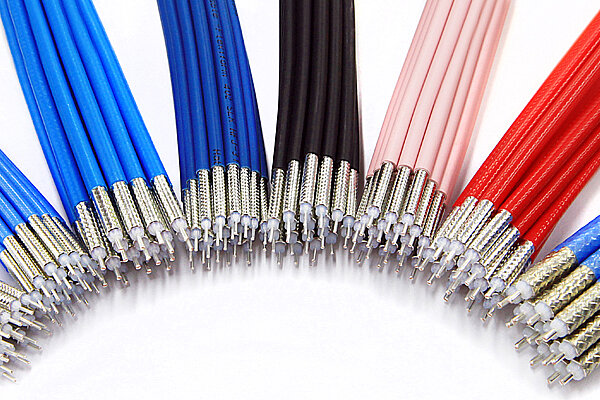 Manufacturing MaterialPTFE cable materialIf you’re looking for a high-temperature material combined with strong electrical resistance and mechanical properties, PTFE is usually the go-to choice.Read more
 -
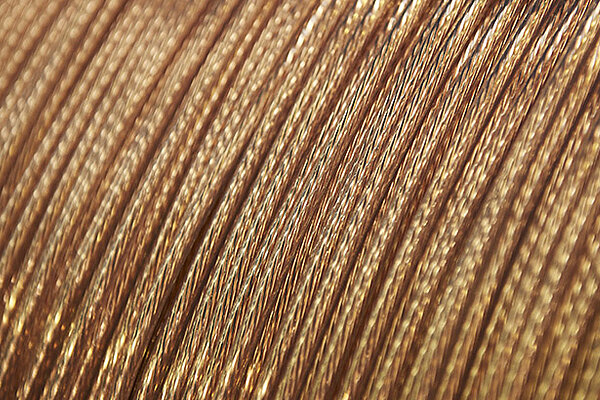 Manufacturing MaterialPEEKPEEK is a very versatile material and as a result, can be found in many demanding environments, including nuclear power plants, military shipboards and vehicle exhaust sensors.Read more
 -
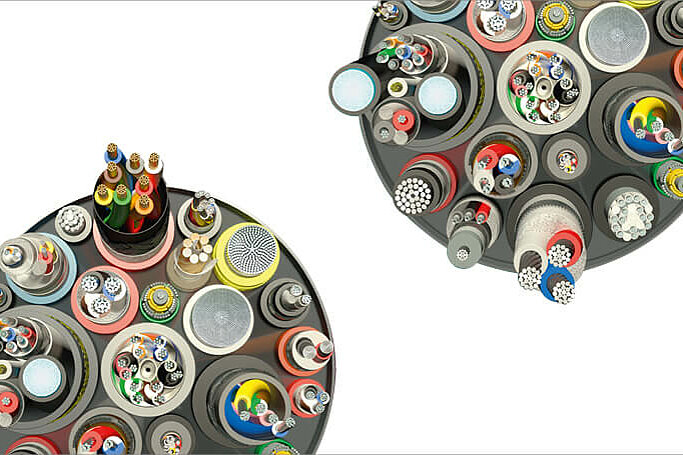 MaterialCable materials and componentsAfter over 80 years in the business, we’re experts in finding the perfect combination of cable materials and components to create the best solution for you. Explore the key components and common material choices below.Read more
 -
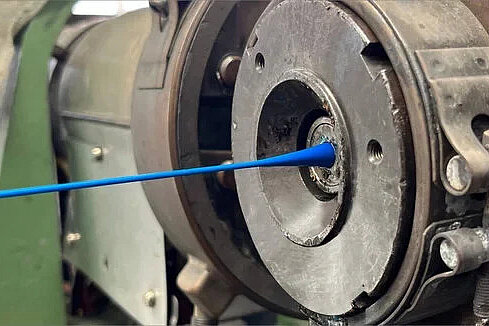 MaterialFluropolymersFluoropolymers are long-chain polymers in which a large proportion or even all of the hydrogens contained are usually replaced by fluorine. Fluorine atoms have the highest electro negativity, which means that the carbon-fluorine compound has a very high binding energy. For this reason, fluoropolymers exhibit extremely high temperature and chemical resistance. They also have excellent electrical insulation properties, superior weathering resistance, good notched impact strength, anti-adhesive behavior and they are self-extinguishing.Read more
 -
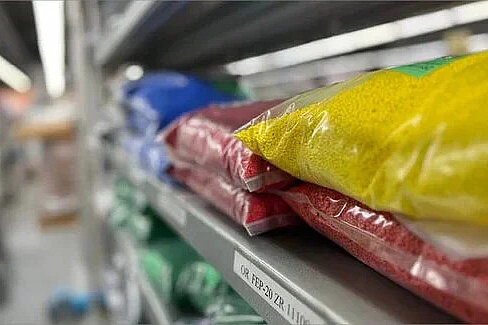 MaterialInsulation and sheathing MaterialsWhen designing the best possible cable for the customer, choosing the right insulation and sheathing material is a key factor.Read more
 -
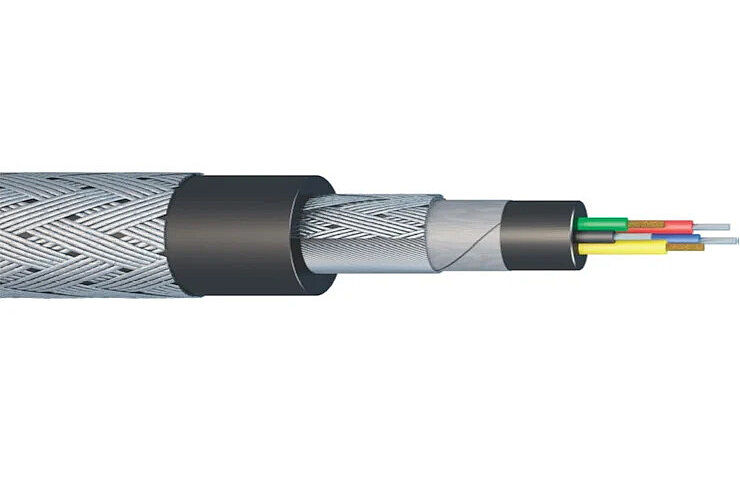 MaterialShielding, also called screeningA shield, or screen, is a metallic layer placed over one or more insulated conductors to either protect them from, or prevent them causing electrical interference.Read more
 -
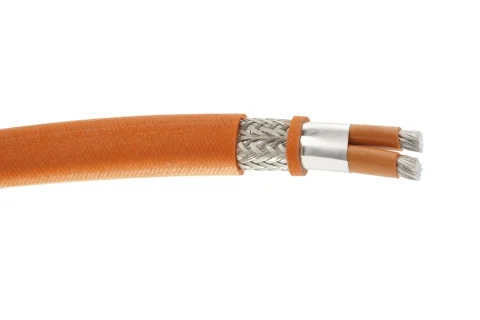 MaterialTapes (binders) and fillersTapes, or binders, and fillers are applied to improve flexibility or roundness of the cable, to protect the insulation or sheath, or to ease production.Read more
 -
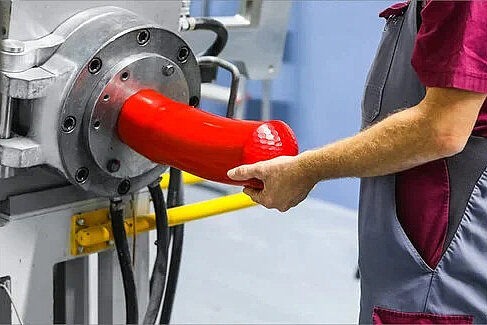 MaterialSiliconesSilicones respectively silicone rubbers belong to the class of elastomers, but differ in the fact that the main chain is not composed of carbon compounds, but of alternating silicium and oxygen atoms. The silicium atoms carry organic substituents, preferably methyl groups.Read more
 -
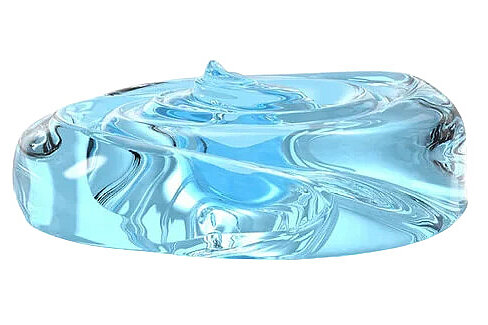 MaterialLiquid silicones (LSR)Liquid silicones are usually 2-component systems consisting of the platinum catalyst (component A) and the Si-H crosslinker (component B), which are crosslinked exclusively by addition. Due to short-chain linear polysiloxanes with a viscosity of approx. 5-500 Pa-s and a relatively low filler content (max. 30%), liquid silicones have a pourable to pasty consistency and are mainly processed by injection molding.Read more
 -
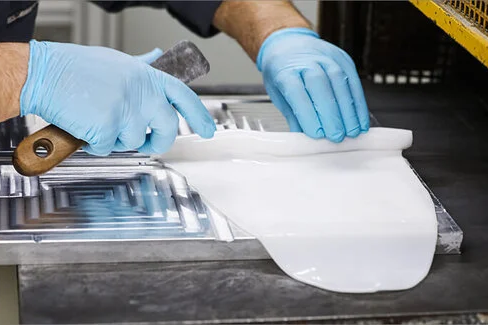 MaterialSolid silicones (HTV)Solid silicones are copolymers of dimethylsiloxanes (main chain) and isolated vinylmethylsiloxanes (functional group). Due to their low intermolecular interaction, they have a soft, pasty consistency. With a viscosity of 10,000 to 50,000 Pa-s, solid silicones are easy to process at room temperature.Read more
 -
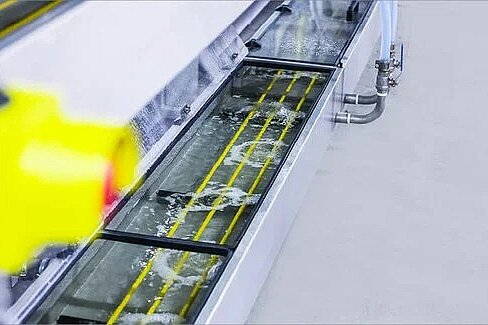 MaterialTemperature regulationIn addition to the selection of optimum additives, the interplay of heating and cooling processes, which must be adjusted accordingly for each high-performance thermoplastic, is decisive for maintaining the outstanding material properties.Read more
 -
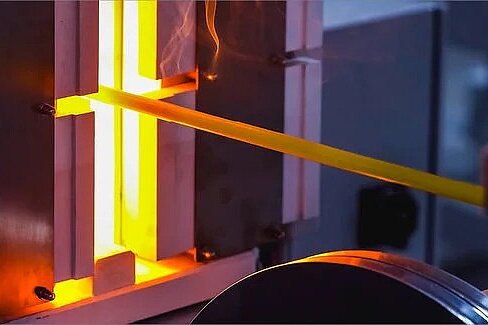 MaterialExperienceThe production and processing of high-performance thermoplastics requires a great deal of experience and places high demands on plant technology. High-performance thermoplastics can usually only be processed in special machines under extreme temperatures.Read more
 -
Costum Cable Design Material ProductsHow do you choose the right materials for your insulation and sheath?Insulation and sheath are the plastic components of a cable that protect the conductor. The insulation isolates the flow of electricity, and the sheath wraps around the outside of the cable to protect the conductors inside and enable electricity transmission.Read more
-
MaterialThe Clever Combination of Two Polymer ComponentsThermoplastic elastomers (TPE) combine the properties of thermoplastics and elastomers. For example, TPE exhibits elastic behavior at room temperature, but can be plastically deformed when heat is applied.Read more
-
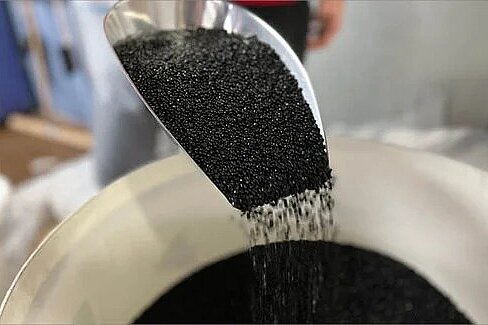 MaterialElastomersElastomers are long-chain polymers that have thermoplastic properties in the uncrosslinked state. They soften with increasing temperature and are thus extrudable. Only through vulcanization (crosslinking) is a narrow- or wide-meshed structure formed. Depending on the material, crosslinking is carried out by halogen-free peroxides or by radiation crosslinking. This gives elastomers many additional qualities, such as high temperature stability, flexibility and good mechanical resistance, even at very low temperatures. Due to their high elasticity, elastomers return to their original shape after tensile and compressive stress.Read more
 -
 ProductsFlame retardant vs fire resistant cables – what’s the difference?There are many terms in use, but what really separates one wire or cable from another when it comes to withstanding high temperatures, or even a full-scale fire?Read more
 -
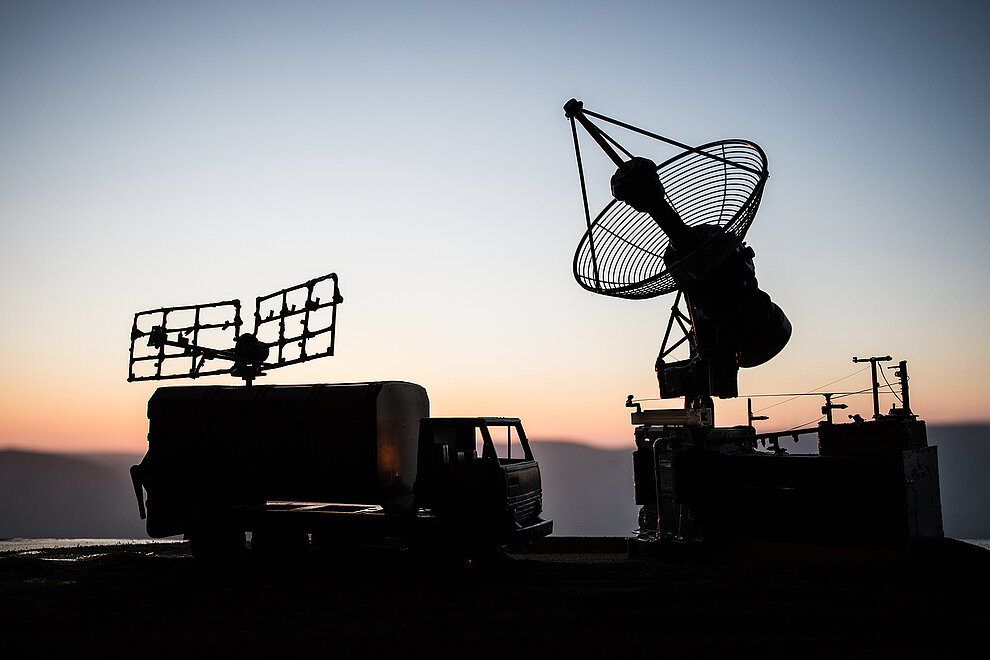 ProductsSolutions beyond the ordinary for the defence industryOut of all the industries we specialise in, the defence sector is one of the most complex and challenging. The field requires innovative solutions and robust products that can withstand extreme conditions, comply with strict national standards, and keep up with the rapid pace of technological advancements. So, let’s look at what it takes to develop solutions beyond the ordinary for our defence customers.Read more
 -
 SustainabilityHalogen free cables and materialsToxic chemicals and compounds surrounds us in everyday life and there is a growing desire to remove them wherever possible. What are halogen free cables, and how do they help?Read more
 -
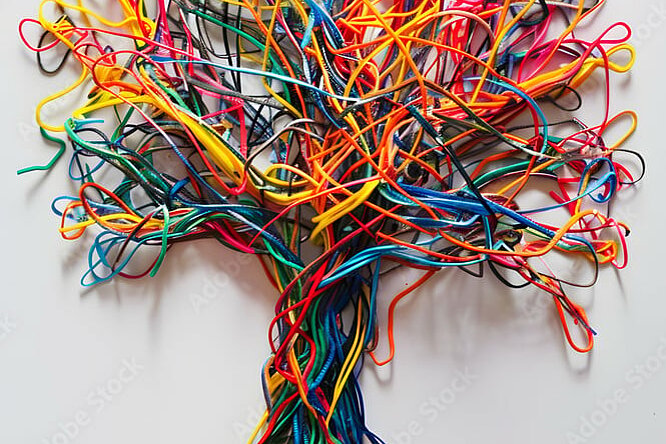 SustainabilityCable recycling: Sustainability and disposal of materialsThere are many ways to handle end-of-life cable materials, not all of which are responsible when it comes to resource management or environmental impact. Explore our end-of-life guide, outlining more sustainable solutions for recycling, reuse and disposal of cable materials and packaging.Read more
 -
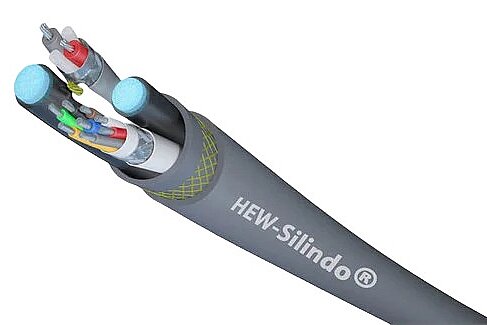 ProductsHEW Silindo® - For noticeably improved silicone hapticsFor highly sensitive applications, mainly in the medical field, the Silindo® surface developed by HEW-KABEL offers key advantages.Read more
 -
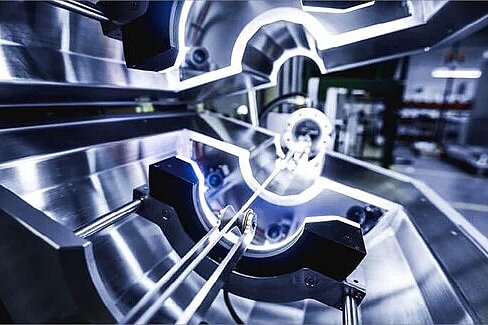 ManufacturingTuningAt Habia we know the individual additives and manufacturing processes from the inside out. This enables us to precisely define the necessary process steps and offer you optimal high-performance material with perfectly matched material properties.Read more
 -
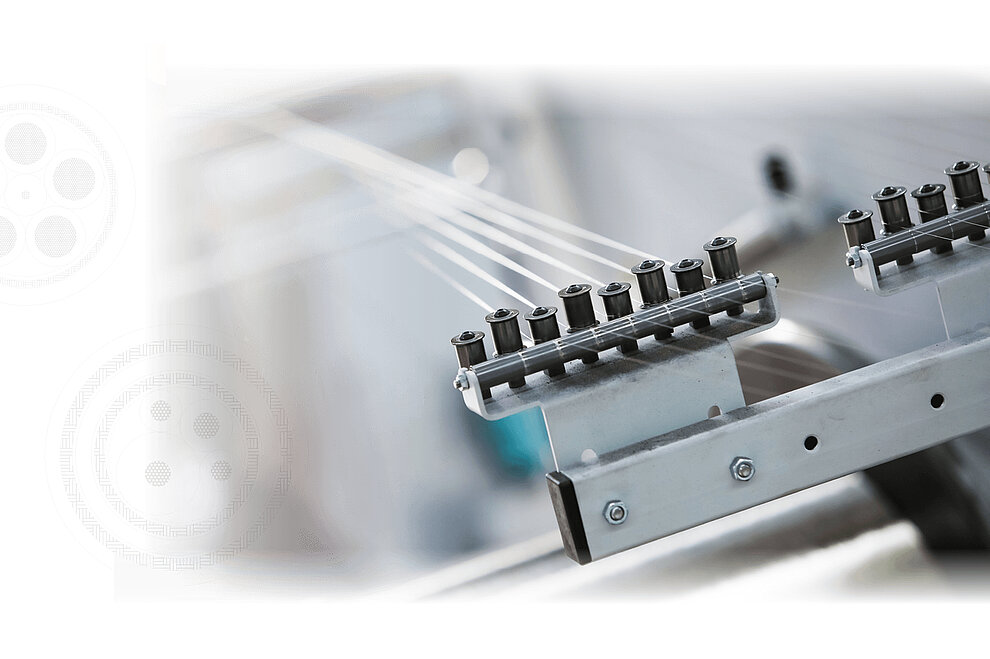 ManufacturingAWG Table – American Strand DesignIn the North American economic area, the dimensions of copper conductors for high voltage and telecommunications purposes are usually given in AWG numbers*. In Germany, Europe and many other parts of the world, we speak of metric cross-sections in mm².Read more


No results found for this filter